First Steps Into Vintage Cool
A Beginner’s Guide to Buying Retro Home Furnishings
A fresh beginner’s guide to buying vintage home furnishings—how to spot great design, learn the eras, and build a retro space that actually works.
When Home Doesn’t Do Its Job
You drag yourself through the door at the end of the day and drop your keys on the nearest flat surface. Ice rattles into a glass. Music hums somewhere in the background. This should be the part where everything slows down—but instead, your eyes land on the furniture and your mood sinks right along with them.
Nothing’s technically wrong. The couch functions. The table holds things. But the room doesn’t give anything back. It doesn’t absorb the stress of the day or signal that you’ve arrived somewhere better. It just… sits there.
That’s usually the moment people realize their space doesn’t match their taste—or their personality.
Vintage Furniture Changes the Equation
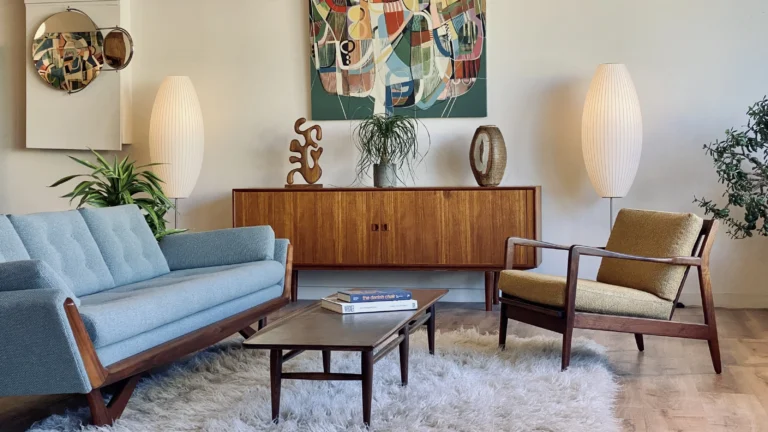
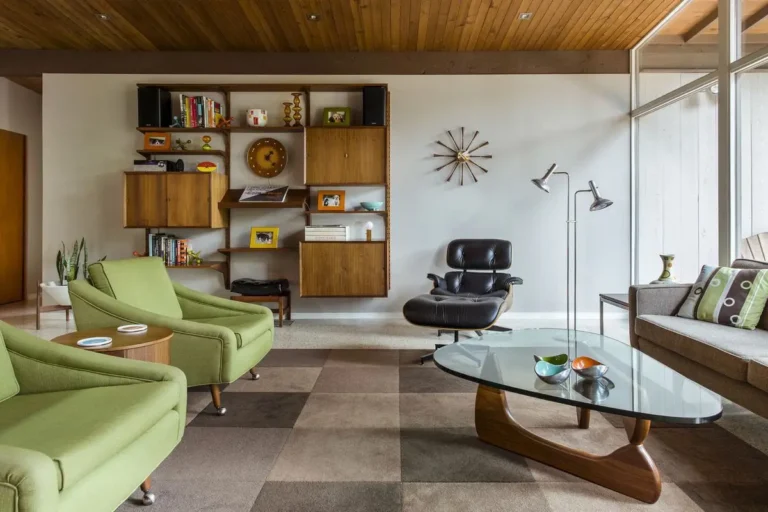
Vintage furnishings have a way of quietly improving a room without shouting about it. They were designed during periods when proportion, craftsmanship, and everyday comfort actually mattered. Chairs were meant to be sat in. Tables were meant to last. Style wasn’t an afterthought—it was baked in.
When you introduce even one strong vintage piece into a room, the whole space recalibrates. Suddenly the lighting feels intentional. The layout makes sense. The room feels lived-in rather than filled-in.
You don’t need a museum-quality interior. You just need furniture that knows what it’s doing.
Start Dressing the Room
Most people spend years refining their personal style while leaving their living space on autopilot. But when you step back, home and work are where you spend the majority of your life. If you’re drawn to retro aesthetics, those instincts shouldn’t stop at clothing.
Furniture is where design becomes physical. It supports your routines, frames your downtime, and sets the emotional tone of your days. Giving your space a vintage edge isn’t about nostalgia—it’s about choosing objects that bring clarity, warmth, and character into your daily life.
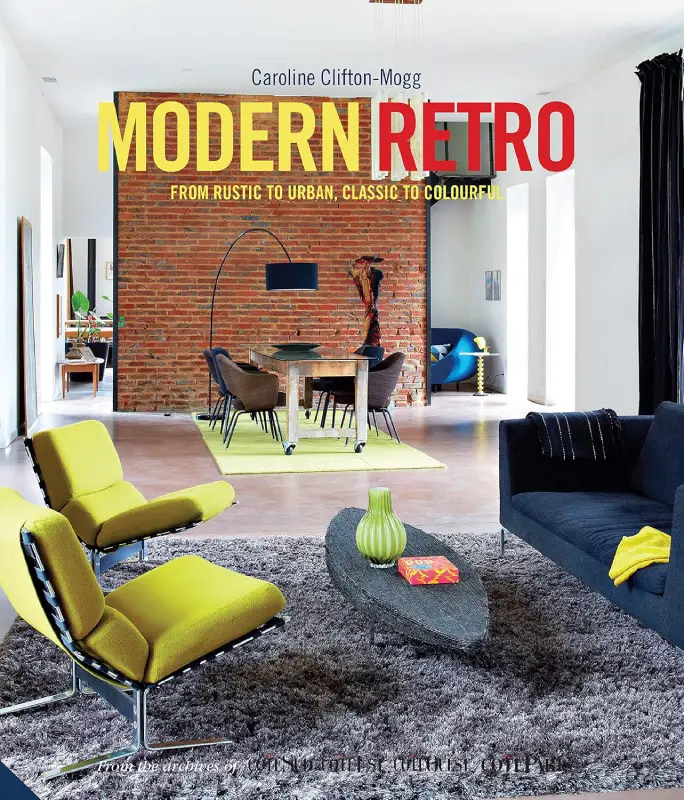
Before You Buy, Learn to See
The biggest mistake beginners make is shopping before learning. Vintage furniture spans decades, movements, materials, and philosophies. Without context, it’s easy to overpay, buy the wrong piece, or miss something great because it doesn’t announce itself.
A few well-chosen design books can change everything. They teach you how to recognize eras, understand materials, and spot intentional design versus decorative noise. Once you’ve done a little reading, your eye sharpens fast.
You’ll stop asking, “Is this cool?” and start asking, “Is this well designed?”
Understanding Design Eras
You don’t need to become a historian to buy vintage furniture confidently. What helps is understanding how different periods think about design.
Some eras focus on clean lines and efficiency. Others lean into comfort and sculptural form. Some celebrate new materials and industrial processes, while others emphasize craftsmanship and warmth.
As you get familiar with these patterns, you’ll notice how certain shapes repeat. Why legs taper. Why curves appear where they do. Why certain woods, metals, and finishes dominate specific decades. Once you recognize those cues, vintage furniture stops feeling random and starts feeling legible.
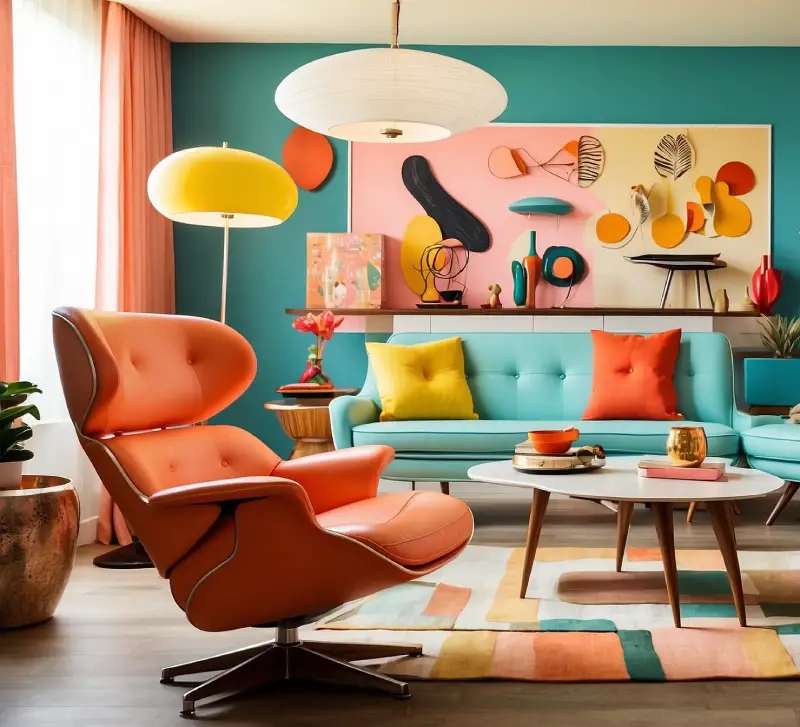
The Designers Who Keep Showing Up
As you study, certain names will surface again and again. That’s not coincidence. These designers shaped how modern interiors look and function, and their influence is still felt today.
You’ll encounter figures like Charles and Ray Eames, whose work balanced experimentation with comfort. You’ll see the sculptural confidence of designers like Vladimir Kagan, the architectural clarity of Eero Saarinen, and the refined restraint championed by Florence Knoll. You’ll recognize American modernism through companies like Heywood-Wakefield and domestic design through the work of Russel Wright and George Nelson.
Knowing these names isn’t about showing off—it’s about context. When you understand who pushed design forward, you can spot quality even when the label is missing.

Training Your Eye in the Real World
Once you’ve absorbed the basics, the real education begins out in the wild. Thrift stores, estate sales, and flea markets become classrooms. You’ll start noticing stance, balance, and construction instinctively.
Pay attention to how a piece sits on the floor. Does it look confident or apologetic? Examine how things are joined together. Look for solid materials that age well rather than shortcuts meant to look good briefly.
Condition matters, but it’s not everything. Scratches, faded finishes, and loose joints are often solvable. Bad proportions aren’t.
Buying Fewer, Better Pieces
One strong vintage piece will do more for a room than a handful of disposable ones. Beginners often feel pressure to fill space quickly, but restraint pays off. Let the room breathe. Allow each piece to earn its place.
Start with anchors—chairs, tables, lighting—then build outward. Mix eras carefully, focusing on shared scale and tone rather than perfect matches. Vintage rooms work best when they feel collected, not coordinated.
Living With Furniture That Has a Past
When you bring vintage furniture into your home, you’re adding objects that have already lived a life. That history gives them weight. They don’t feel temporary. They don’t beg for replacement.
Over time, your space begins to settle. The furniture absorbs your routines. The room supports you without effort. You stop noticing it—and that’s when it’s working perfectly.
Vintage furnishings don’t just decorate a space. They give it purpose, rhythm, and a sense of calm.
And when you finally sink into your chair at the end of the day, glass in hand, music humming low, you’ll understand the difference. Your home isn’t just where you live anymore.
It’s where you recover.