Collecting Mid-Century Modern Furniture
Why mid-century modern is still collectible, where prices are headed, and how original production keeps some iconic designs within reach.
When a Style Catches Fire
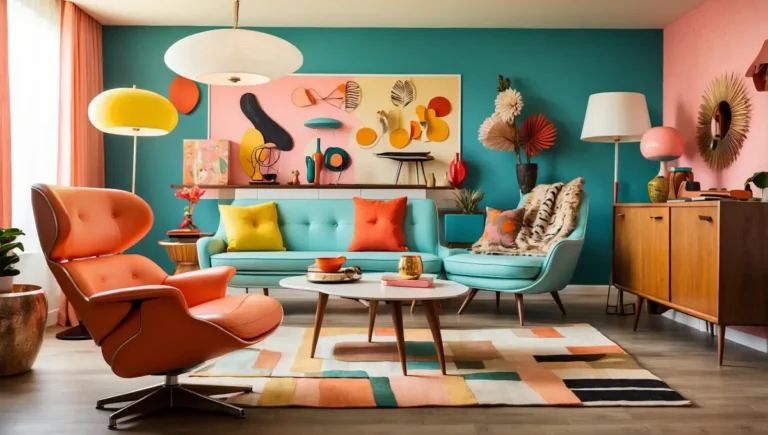
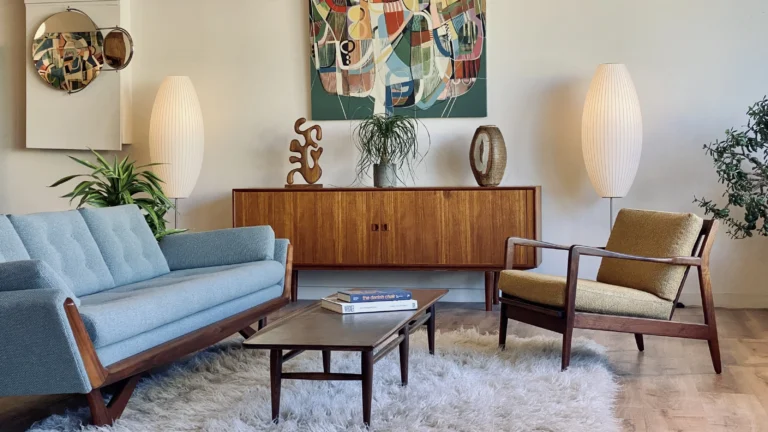
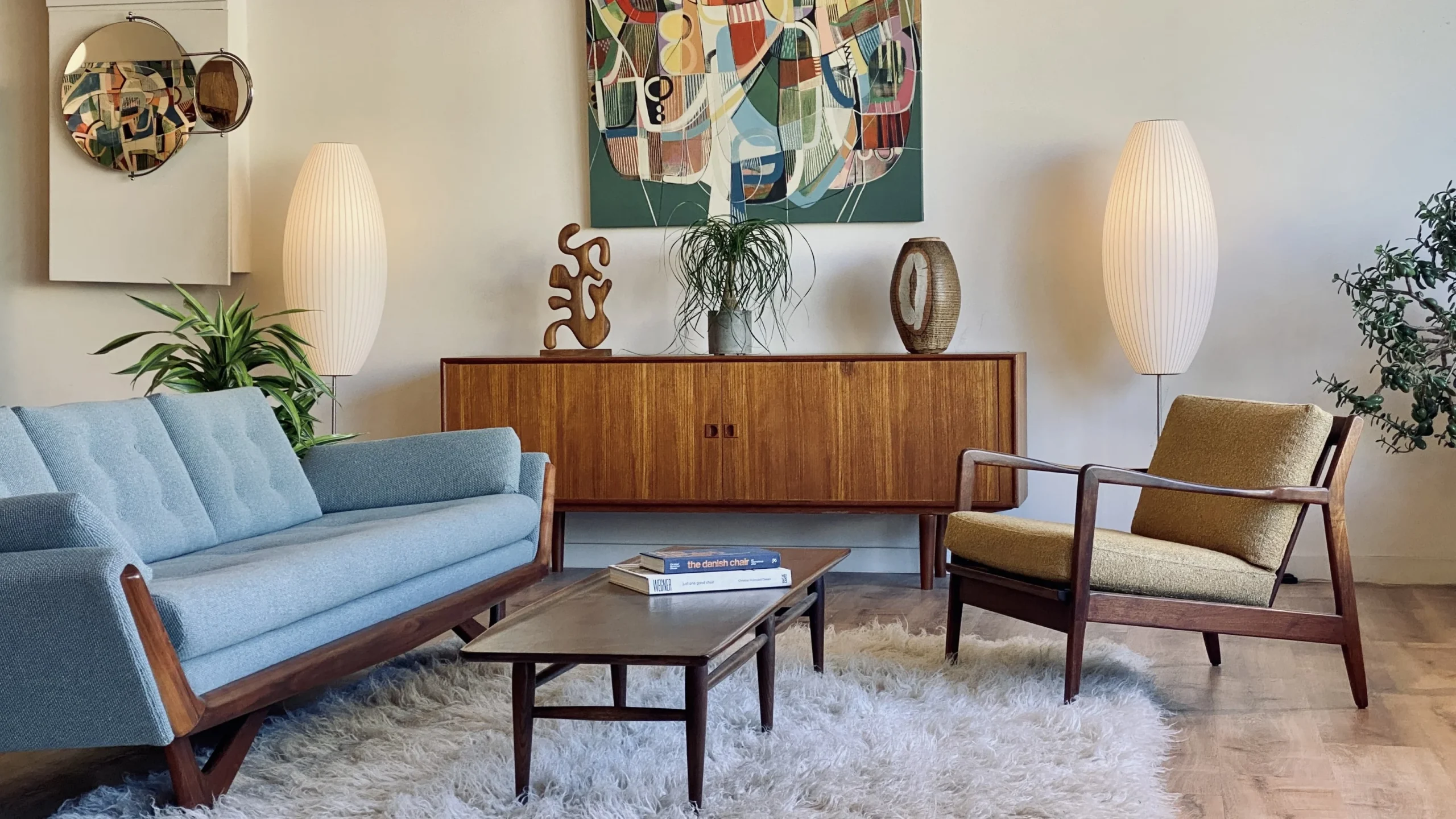
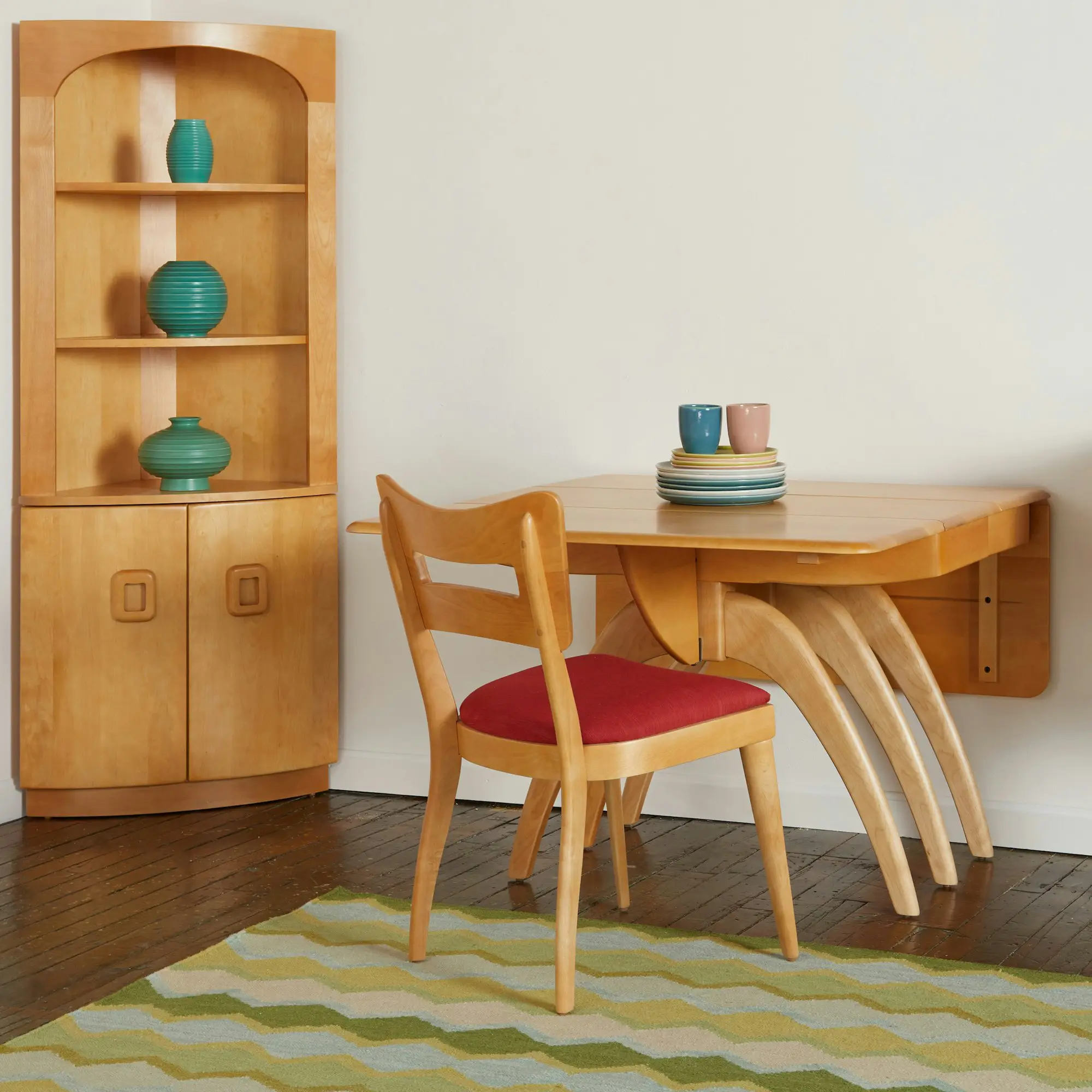
If your heart beats a little faster for the clean lines and optimistic curves of 1950s design, you’re in luck—for now. Compared to earlier movements, this era still offers pockets of affordability. Not cheap, exactly, but reasonable enough that you don’t need a second mortgage to play along.
That said, the clock is ticking. Trends don’t move quietly. Once a style catches cultural momentum, prices tend to follow, and mid-century modern has been riding that wave for a while now. Major cities are already saturated with ’50s-focused shops, enough to make you wonder how many low-slung chairs a single zip code really needs.
Why Everyone Wants This Stuff
The renewed interest isn’t random. As Generation X collectors matured, many found themselves drawn to the furniture they grew up seeing in magazines, movies, and childhood homes. At the same time, older baby boomers began reassessing the design of their early years and realized—often correctly—that some genuinely brilliant work was happening in the postwar period.
The result is a wider audience chasing the same finite pool of objects. Dealers are sharper. Casual underpricing is rare. Pieces that once slipped through unnoticed now come with researched tags and confident price points.
The Eames Effect
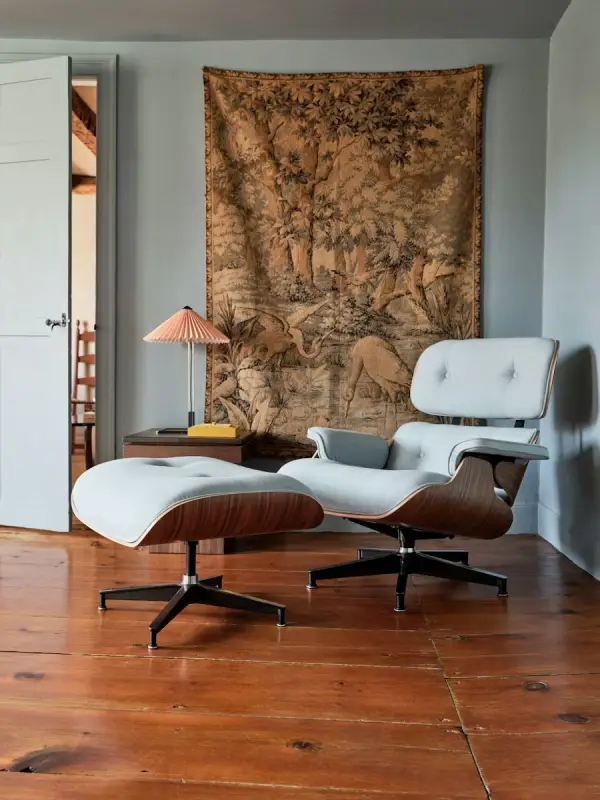
Few names illustrate this better than Charles Eames. His designs—once considered practical, even commonplace—now command serious respect at auction. Lounge chairs, molded plywood pieces, and iconic seating regularly sell for top dollar, and most dealers know exactly what they’re holding.
This isn’t about hype. It’s about recognition. As scholarship and exposure increase, so does consensus around what matters. The market adjusts accordingly.
Why Some Prices Haven’t Gone Through the Roof
Here’s the twist that keeps the ’50s scene from becoming completely inaccessible: some of the most iconic designs never stopped being made.
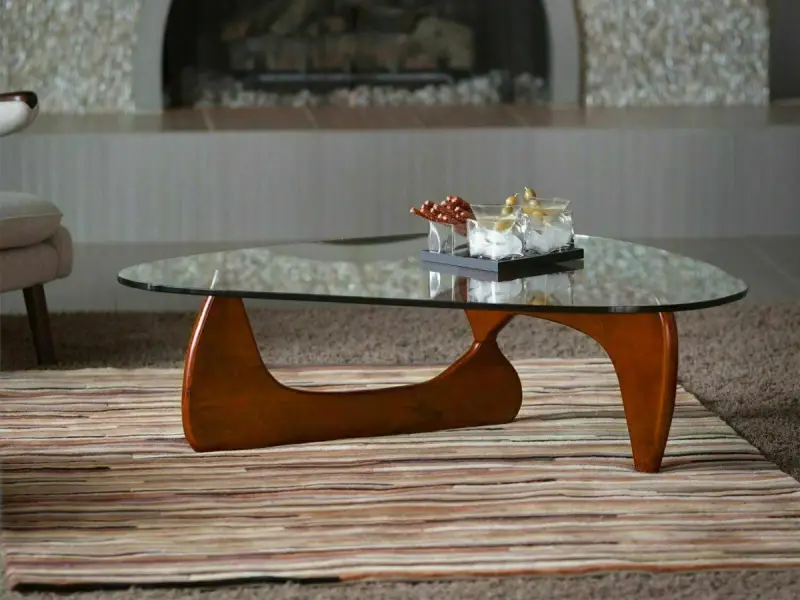
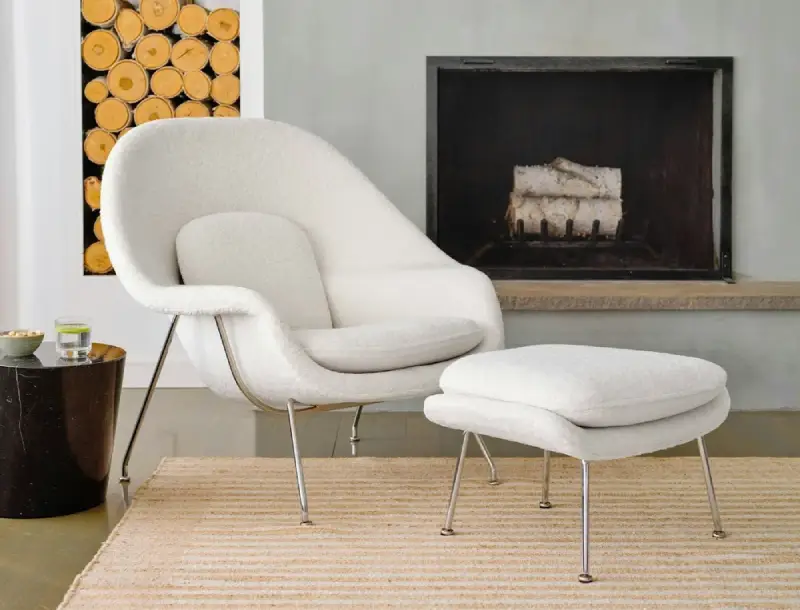
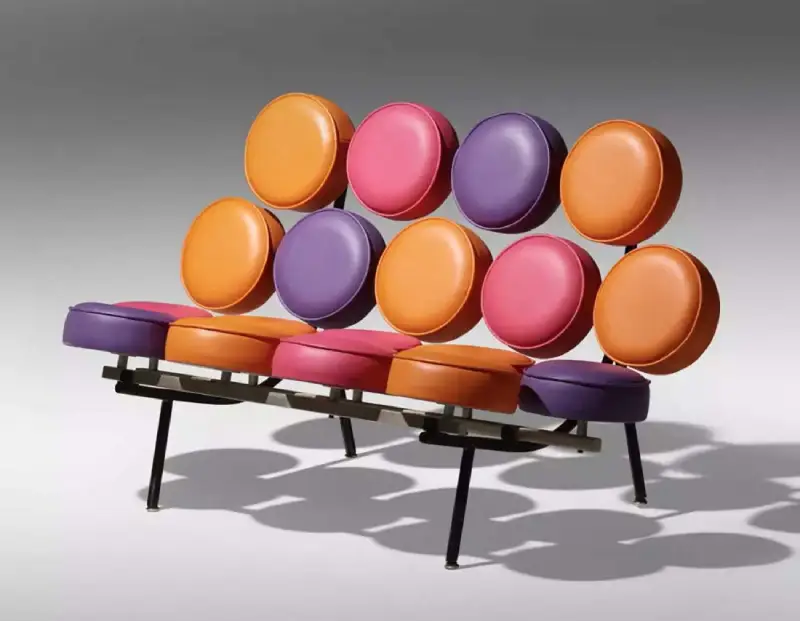
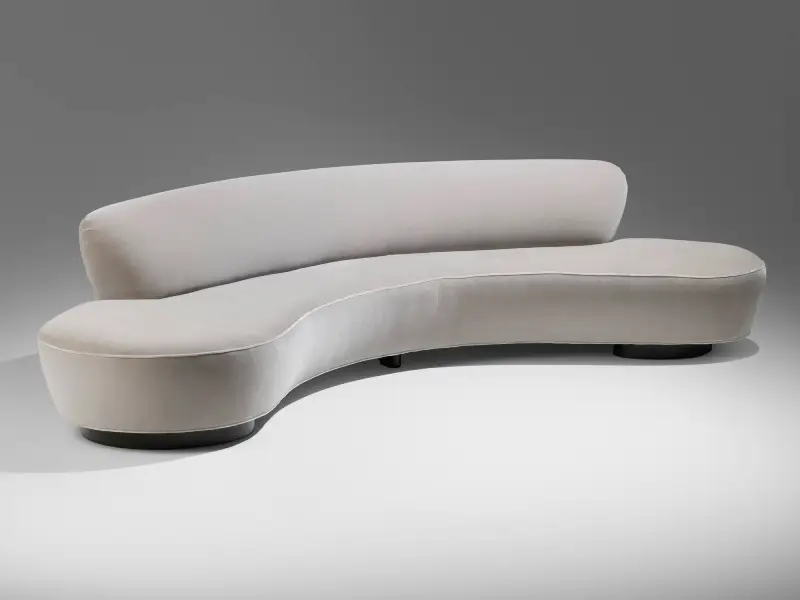
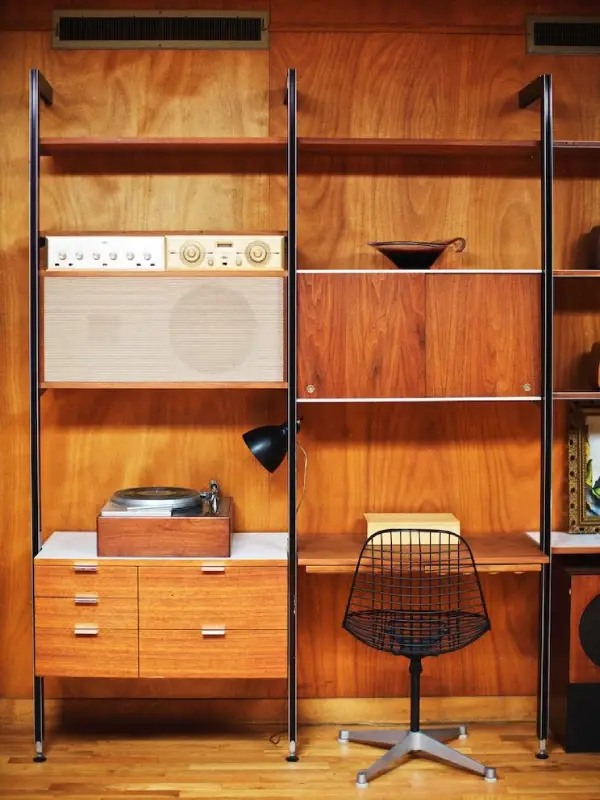
Several original manufacturers continue to produce mid-century classics today. Herman Miller still offers designs by Charles Eames, Noguchi, and George Nelson. Knoll continues to produce work by Harry Bertoia and Eero Saarinen. Vladimir Kagan never closed shop at all—his Manhattan studio remains active, carrying forward the same sculptural language that made his early work famous.
This matters more than you might think.
Production Shapes the Market
When a design remains in production, it creates a ceiling. New pieces are expensive, yes—but their availability prevents used examples from becoming untouchable. Collectors always have an alternative, and that tempers speculation.
As a result, vintage versions of still-produced designs often remain more attainable than comparable pieces from discontinued lines. You’re paying for age, condition, and authenticity—but not for absolute scarcity.
For beginners, this is good news. It means you can enter the market thoughtfully, learning as you go, without being priced out immediately.

Choosing Between Vintage and New
There’s no universal right answer here. Vintage pieces carry history, patina, and the quiet satisfaction of owning something that’s already lived a life. New production offers precision, warranties, and materials exactly as intended by the original designer.
Many collectors mix both. A new production chair might anchor a room, while a vintage side table or lamp adds character and depth. The key is intention, not purity.
What to Expect Going Forward
As long as mid-century modern remains culturally relevant—and there’s little sign of that changing—prices will continue to creep upward. The biggest jumps tend to happen quietly, piece by piece, rather than all at once.
If you’re drawn to the ’50s, now is still a reasonable time to learn, look, and buy carefully. Focus on quality, condition, and proportion rather than chasing every name. Some pieces will rise faster than others, but good design always holds its ground.
Staying Ahead Without Chasing
Riding a trend doesn’t mean racing it. The smartest collectors stay observant rather than reactive. They understand why certain pieces matter, where reproduction plays a role, and how the market balances desire with availability.
The ’50s scene rewards patience. It favors the informed eye. And for those willing to pay attention, it still offers moments of discovery—before the next wave rolls in.